
 (626) 577-2017
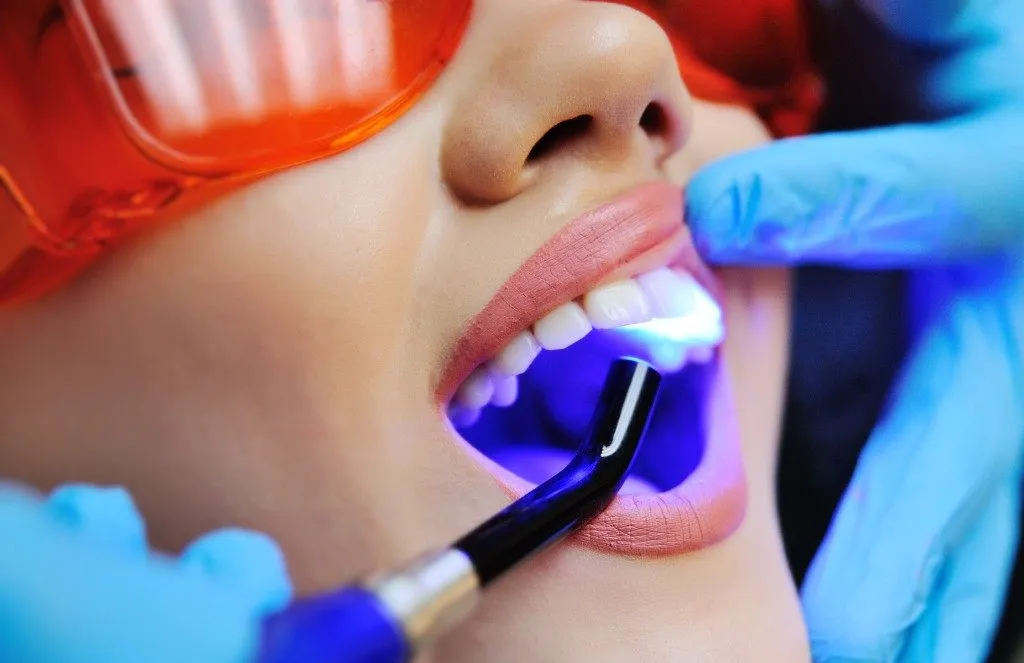
Some cosmetic dental concerns do not require porcelain veneers or crowns to fix. Chips, small gaps, worn edges, and staining can often be corrected quickly and conservatively with composite bonding, a procedure that works beautifully for the right situations and can be completed in a single visit to our Pasadena dental office.
Composite bonding uses a white, tooth-colored resin material that Dr. Bouzoghlanian precisely applies directly to the surface of your tooth, sculpts into the right shape, and hardens in place with a special curing light. He uses a premium material and special, esthetic color-layering technique with time tested technology. When finished, the result blends naturally and seamlessly with the surrounding tooth and is virtually undetectable.
Dr. Bouzoghlanian is highly trained in the composite bonding process from his academic excellence and honors at the UCLA School of Dentistry, his vast experience in cosmetic dentistry, and his special familiarity with the Vit-l-escence Composite Resin layering technique from Ultradent, known to be one of the most esthetic products available for this application.
What Composite Bonding Corrects
Composite bonding is well suited for these common cosmetic concerns:
- Unsightly gaps between front teeth: bonding can close small spaces without the need for orthodontic treatment or veneers. This includes gaps near the gumline caused from gum recession (commonly called black triangles) and gaps created from spacing or rotation between the teeth.
- Chipped or slightly damaged teeth: resin replaces the missing portion and restores the natural shape.
- Worn, rough, or jagged edges: edges that have become uneven from grinding or wear are smoothed and rebuilt.
- Dull, stained, or discolored teeth: when whitening cannot fully address the discoloration, bonding can cover it with a shade matched to the surrounding teeth.
- Making minor changes to the size or shape of teeth: if the teeth are too short, too tapered looking (like an ice cream cone), the edges are too curved, are slightly rotated or positioned incorrectly, or have other minor problems in their size or shape, composite bonding can help correct these imperfections.
How Composite Bonding Works
The process is straightforward. The composite resin colors are selected to match the shade of your natural teeth, applied directly to the tooth surface, and carefully sculpted to cover or replace the problem area. The material bonds to the tooth surface like an adhesive. Once the shape is right, it is hardened using a special blue curing light, then polished to a smooth, durable, and natural finish.
Often times, a quick mockup can be done before the bonding process by simply placing the material onto the tooth surface without gluing it on, and simply sculpting the material and drying it. This can help give you a better idea of what the finished product will look like before the bonding process is actually done, giving you an opportunity to provide your feedback on the plan. The mockup also helps our composite bonding expert Dr. Bouzoghlanian confirm the colors, amounts, locations, and layers of the product to use to achieve the best esthetic outcome before starting the procedure. Our Pasadena cosmetic dentist will take the time and attention to detail to plan and test the procedure before completing it, so there is no guesswork involved.
Because no tooth preparation is typically required before bonding, most cases do not need anesthesia. Often times our Pasadena dentist Dr. Bouzoghlanian will use microetching, a special, non-invasive process to specially prepare the enamel surface being bonded, optimizing the adhesion strength of the material. The entire treatment can be completed in a single appointment, which makes composite bonding one of the fastest ways to see an improvement in your smile.
Advantages of Composite Bonding
When skillfully applied and sculpted by our Pasadena cosmetic dentist Dr. Bouzoghlanian, composite bonding allows you to see a natural, beautiful improvement in your smile in just one visit. It is also a good long-lasting temporary option for improving the smiles of children and younger patients whose teeth may still be changing from growth, since it can be updated as needed without affecting the permanent tooth structure underneath.
Composite bonding is initially less expensive than porcelain veneers, which can make it a practical starting point for patients who want an improvement now while considering longer-term cosmetic work later.
Limitations of Composite Bonding
Composite bonding is a strong option for the right cases, but it is worth understanding the tradeoffs before choosing it over other options. The resin may to break down and discolor over several years and will eventually need to be replaced. For this reason, porcelain restorations are usually the more cost-effective solution over the long term. For situations where the bite is very strong, or for those individuals that tend to grind their teeth or frequently bite into harder foods, porcelain restorations maybe a stronger and more durable alternative.
When visiting our Pasadena dental office, Dr. Bouzoghlanian will give you an honest assessment during your consultation. If bonding is the right fit for your situation, great. If a more durable alternative would serve you better in the long run, he will tell you that too.
Alternatives to Composite Bonding
Depending on what you want to achieve, other options may be worth considering:
Porcelain Veneers
a more durable, longer-lasting solution for correcting shape, color, and proportion on the front teeth. Veneers require some tooth preparation but provide results that hold up considerably longer than composite resin. Veneers also require two appointments (tooth preparation and then fitting a few weeks later), and are also more costly than composite bonding.
Crowns
when a tooth has significant structural damage or decay alongside cosmetic concerns, a crown addresses both at once.
Teeth Whitening
if staining or dullness is the primary concern, professional whitening may achieve the result you want without any bonding at all.
Orthodontics
if gaps between the teeth, crowding or rotations of the teeth are the primary concern, but the size and shape of the teeth are acceptable, then orthodontics maybe a better option to improve the smile.
Is Composite Bonding Right for You?
The best way to find out is to come in for a consultation. Our highly skilled and experienced cosmetic dentist in Pasadena, Dr. Bouzoghlanian, will look at the specific teeth you want to address, discuss your goals, and give you a clear picture of what composite bonding can realistically achieve versus what might be better served by a different approach. Sometimes a combination of techniques for different teeth maybe the best option (such as veneers for some teeth, and composite bonding for others). There is no pressure, and no treatment is recommended unless it genuinely fits your situation.
Call (626) 577-2017 or request an appointment online.
See Real Patient Results
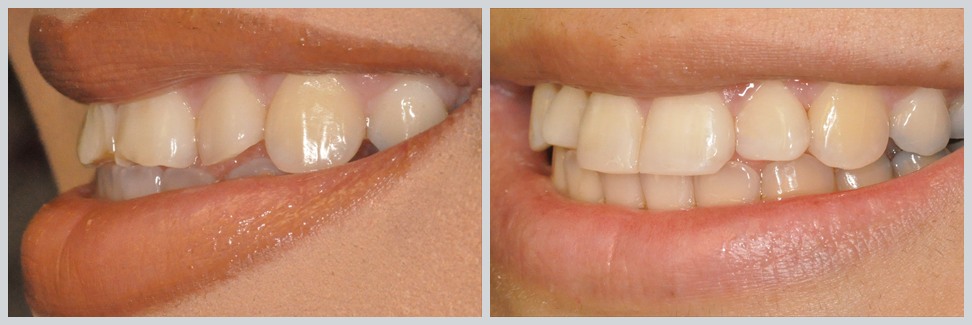
Our smile gallery includes real before and after photos from patients who have had composite bonding and other cosmetic procedures at Prestige Dental in Pasadena. Take a look before your consultation to get a sense of what is possible.
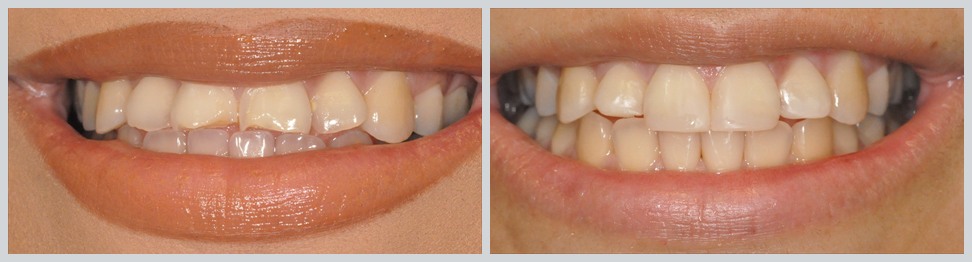
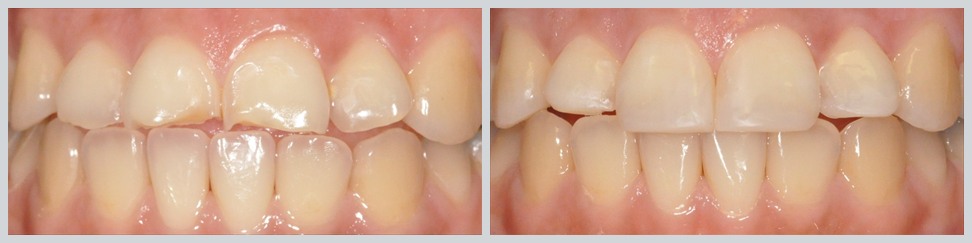
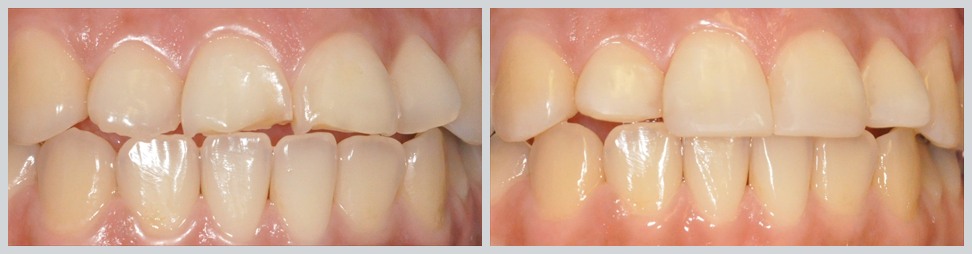

Smile greatly improved in one visit by Pasadena dentist Dr. B with composite bonding to restore broken and chipped tooth edges.


Close bothersome food traps and gaps between teeth in one visit in our Pasadena dental office with composite resin bonding!
Frequently Asked Questions about Composite Bonding in Pasadena
Composite resin tends to break down and discolor over several years and will need to be replaced at some point. The exact lifespan depends on the location of the bonding, your bite, and your daily habits. Porcelain veneers or crowns are longer-lasting alternatives for patients who want a more permanent result.