
 (626) 577-2017
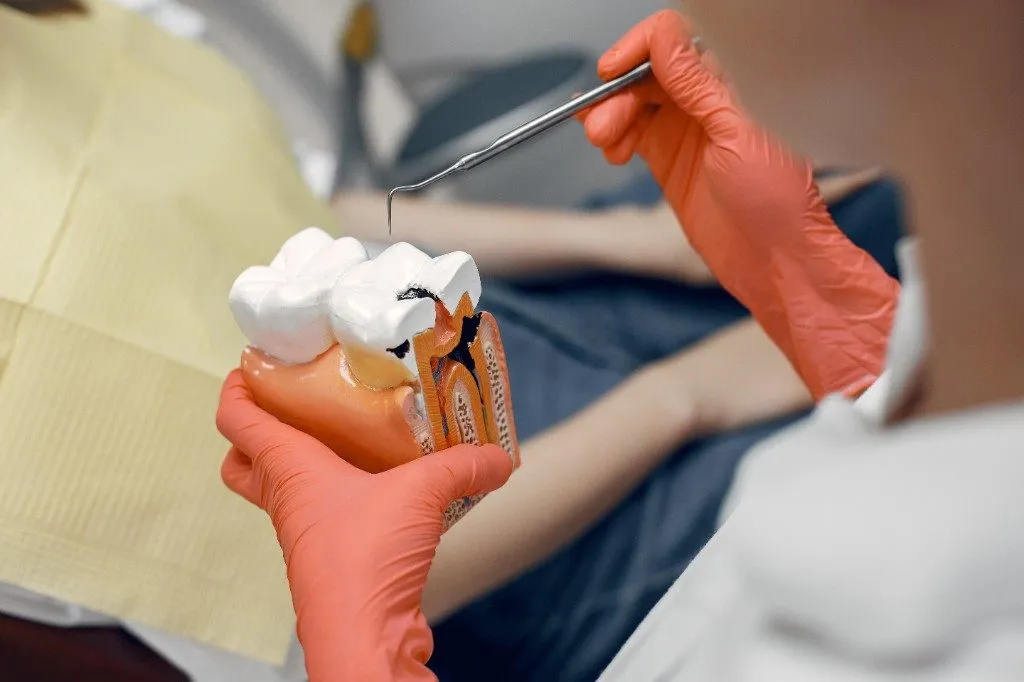
Root canal therapy has a reputation that does not match the reality. For most patients, the procedure itself causes far less discomfort than the infection it is treating. If you have been putting off seeing a dentist because of tooth pain, sensitivity, or pressure, that infection is not going to resolve on its own. At Prestige Dental in Pasadena, Dr. Bouzoghlanian can evaluate the tooth, stop the infection, and save the tooth before the situation becomes more serious.
When a Root Canal Becomes Necessary
Inside every tooth is a pulp chamber that contains the nerves and blood supply that the tooth needs to stay alive. When decay or injury to the tooth allows bacteria to reach this inner tissue, the pulp becomes infected. Left untreated, that infection does not stay contained to the tooth. It can spread to the surrounding bone and gums, cause serious complications, and ultimately result in loss of the tooth.
You may need root canal therapy if you are experiencing:
- Persistent tooth pain from contact with hot or cold liquids
- Pain from pressure or biting down on the tooth
- An infected or abscessed tooth due to decay or injury
- Swelling or tenderness in the surrounding gums
- Concern about an infection spreading to neighboring teeth or beyond
Not every toothache requires a root canal. And the symptoms mentioned above can happen from other causes. Dr. Bouzoghlanian will examine the tooth and take any necessary X-rays to determine exactly what is happening inside the tooth before recommending treatment. With our minimally invasive dentistry approach at Prestige Dental in Pasadena, Dr. Bouzoghlanian will do everything possible to protect and preserve the pulp tissue of the tooth to reduce likelihood of needing root canal therapy. We incorporate special disinfecting, desensitizing, and barrier materials with our treatment methods to protect the nerve tissue whenever possible. If you have been told that you need a root canal but aren't sure why, it maybe worth scheduling a consultation appointment with our highly skilled Pasadena dentist for another evaluation.
What Happens During Root Canal Therapy
The procedure removes the infected tissue and seals the tooth so the infection cannot return. Here is what to expect:
- Anesthesia: the area is fully numbed before anything begins. You should not feel pain during the procedure.
- Pulp removal: the infected pulp is carefully removed from the center of the tooth and the canals of each root, and the space is thoroughly cleaned and disinfected.
- Cleaning and shaping: the empty canals are cleaned and shaped to prepare them for sealing.
- Sealing: the remaining chamber is filled with a biocompatible and safe rubber-based material to seal it off and prevent reinfection.
- Crown placement: most teeth that have had root canal therapy must be protected with a crown afterward. Once the pulp is removed, the tooth becomes more brittle and susceptible to fracture. A crown will act like a helmet to cover and help protect the tooth from fracturing.
Saving the Tooth Is Almost Always the Better Option
Root canal therapy is one of the best ways to save a tooth that would otherwise need to be removed. While it has a reputation for being unpleasant, most patients are surprised to find that the procedure, performed with modern techniques and proper anesthesia, is manageable and much less discomforting than they expected.
The only real alternative to root canal therapy is extracting the tooth. However, once a tooth is removed, the surrounding teeth will begin to shift toward the gap over time, affecting your bite and your oral health. Filling the space requires:
Those solutions may ultimately cost more than root canal therapy plus a crown. More importantly, they may never fully replicate the quality and feel of keeping your natural tooth.
On rare occasions, root canal therapy may not fully prevent the infection from recurring. If that happens, the treatment may need to be redone to ensure all infected tissue has been removed. Dr. Bouzoghlanian will let you know if this becomes relevant to your case.
After Root Canal Therapy: What to Expect
Some tenderness in the area for a few days after the procedure is normal and expected as the surrounding tissue heals. This is typically manageable with over-the-counter pain relief. Occasionally, Dr. Bouzoghlanian may prescribe antibiotics or stronger pain medications. This is more likely if the area surrounding the treated tooth had an abscess, swelling, or was causing severe pain prior to treatment. You will return to our Pasadena office for crown placement after the tooth has settled, which completes the treatment and restores the tooth to normal function.
Once a crown is placed and healing is complete, a tooth that has had root canal therapy functions just like a natural tooth. Patients can chew, bite, and go about their lives normally.
Call (626) 577-2017 or request an appointment with our skilled Pasadena dental team if you are experiencing tooth pain.
See Real Patient Results
Our smile gallery includes real before and after photos from patients who have had root canal therapy and other restorative procedures at Prestige Dental in Pasadena. Take a look before your consultation to get a sense of what is possible.


Dr. B in Pasadena expertly repaired a chipped tooth with composite resin bonding in one visit, with no anesthesia needed, for undetectable, beautiful results!

Dr. Bouzoghlanian replaced a broken silver filling with decay (red arrow) using a premium composite resin material for durable and aesthetic results.
Frequently Asked Questions about Root Canal Therapy in Pasadena
A filling is used when decay has not yet reached and compromised the inner pulp of the tooth. A root canal is needed when the pulp has become infected. Dr. Bouzoghlanian will examine the tooth and take X-rays to determine which is appropriate for your situation.